
Fish Oil: Liquid Gold from Alaska’s Last Frontier

By Dr. Jeff Bland
For more than 50 years, omega-3 fatty acids have been central to my work in nutrition science. Long before fish oil supplements became commonplace, research was already pointing to their importance for cardiovascular health, brain function, immune balance, and healthy aging.
But as the omega-3 category has grown, so has my concern about how most fish oils are produced—and how far many products have drifted from the biology that made them beneficial in the first place.
That concern is what brought me, in November 2025, to Dutch Harbor, a remote port at the edge of the Bering Sea and one of the most important fishing hubs in the world.
Why Dutch Harbor Matters
Dutch Harbor sits at the gateway to the Bering Sea, one of the most nutrient-rich and least industrialized marine ecosystems on Earth. Fish here live their entire lives in cold, clean waters, feeding naturally within an intact food web.
That matters because fish don’t create omega-3s—they accumulate them from the marine environment. When the ecosystem is clean and balanced, the oils found in fish reflect that integrity.
Preserving Omega-3s Starts at Sea
Early one morning, I met a fishing vessel we work with, the Frontier Mariner, as it returned to port after nearly a month at sea.
What makes this operation different is speed and care. Cod livers are extracted onboard and flash frozen within minutes of harvest. Omega-3 fatty acids are extremely sensitive to time, heat, and oxygen. Preserving them immediately helps maintain their natural structure and freshness.
Later that day, those frozen livers were transported directly to our shoreside processing facility in Dutch Harbor.
A Different Way to Make Fish Oil
Most fish oils are produced using high heat, chemical deodorization, bleaching, and molecular distillation. While those methods can remove contaminants, they also remove much of what makes fish oil biologically valuable—including delicate fatty acids and naturally occurring vitamins.
The facility Big Bold Health works with uses low-temperature, gentle extraction methods designed to preserve what nature put there in the first place. That means the finished oil contains not just EPA and DHA, but a broader family of omega-3 fatty acids—along with naturally occurring vitamins A and D.
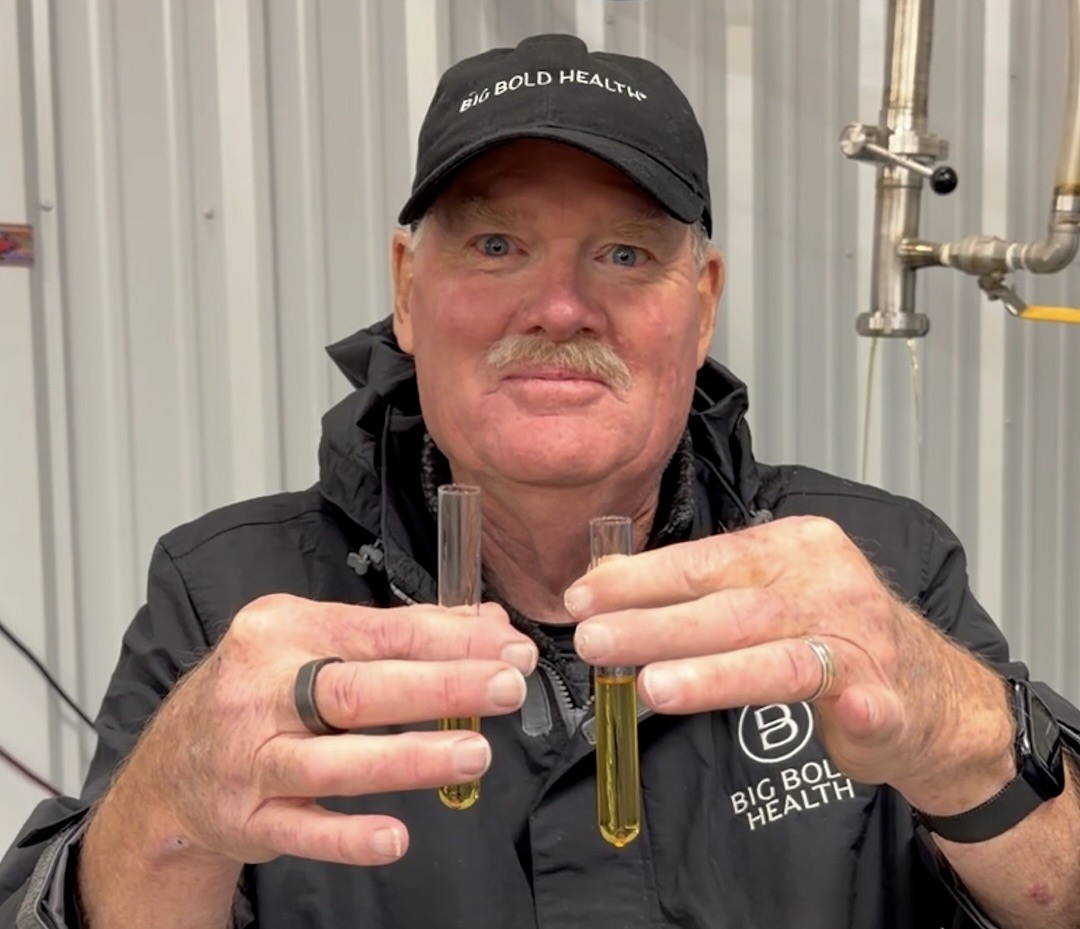
Tasting the oil fresh from the tap was unforgettable. Clean. Mild. Vibrant. Exactly what fish oil should be when it hasn’t been over-processed.
What This Means for You
One of the most important messages I shared during a post-trip webinar I hosted is this:
Fish oil labels may look the same—but the oils inside can be very different.
Source matters. Speed matters. Processing matters.
When omega-3 oils are harvested from wild fish, preserved immediately, and extracted gently, they remain far closer to eating real fish than to consuming an ultra-processed supplement.
That philosophy guides Big Bold Health and our commitment to producing omega-3 oils entirely in Alaska.
Watch the Webinar Replay
To explore the science behind omega-3s—and what this Alaska experience revealed—I invite you to watch the full webinar replay:
A Final Thought
This trip wasn’t about adventure for its own sake. It was about seeing the full journey of fish oil—from ocean to finished product—and making sure it aligns with the science we trust.
When we respect nature’s design, we don’t just make better supplements—we support better health.

